Two pieces of turquoise jewelry can have very different prices even when they appear similar at first glance.
The difference usually comes from what the buyer can see and understand: the stone character, the amount of material used, the craftsmanship, the silverwork, and the details shown on the product page.
Quick Summary
Turquoise jewelry prices vary because stone quality, usable material, stone form, visible character, silverwork, construction, craftsmanship, and product information differ from piece to piece.
What Makes a Price Easier to Understand
A higher price can reflect the stone, the amount of usable material, more involved metalwork, careful construction, or additional craftsmanship. A lower price may reflect a smaller stone, a simpler form, or a less complex setting.
The price becomes easier to understand when the photographs and product details show how the material and workmanship come together in the finished piece.
Stone Quality and Visible Character

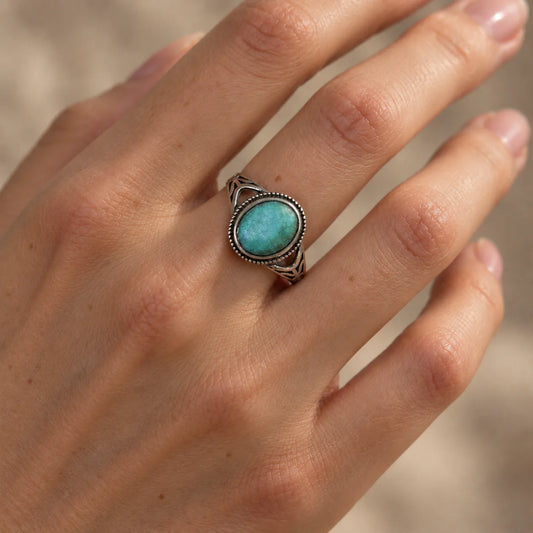
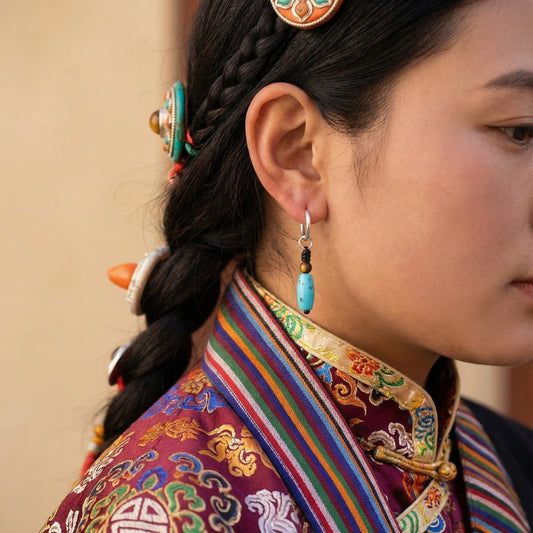
Turquoise is valued partly through visible character: color, surface, matrix, shape, and how the stone presents in the piece. Some buyers prefer clean color. Others prefer visible matrix and irregularity. The important part is that the product photos are clear enough for the buyer to compare what is actually there.
These visible characteristics help explain why individual stones and finished pieces may be priced differently. They should be considered alongside stone form, usable material, metalwork, and construction.
Material Disclosure Provides Price Context
Material disclosure matters because buyers need enough context to understand what they are comparing. Clear product information helps explain differences between pieces without relying only on appearance.
Usable Material, Size, and Stone Form

Jewelry does not use turquoise in abstract. It uses a particular stone shape, size, and amount of material.
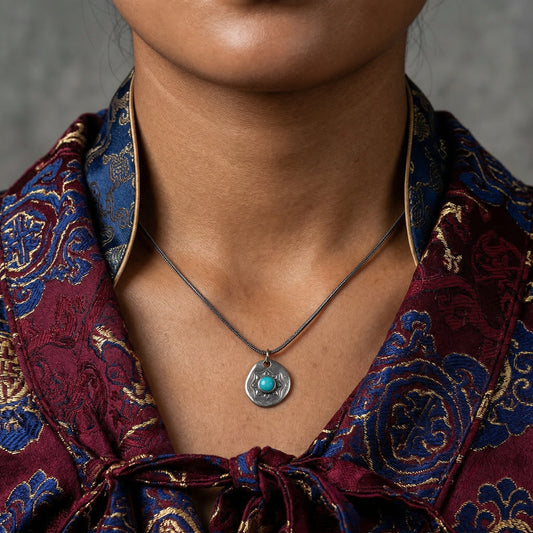
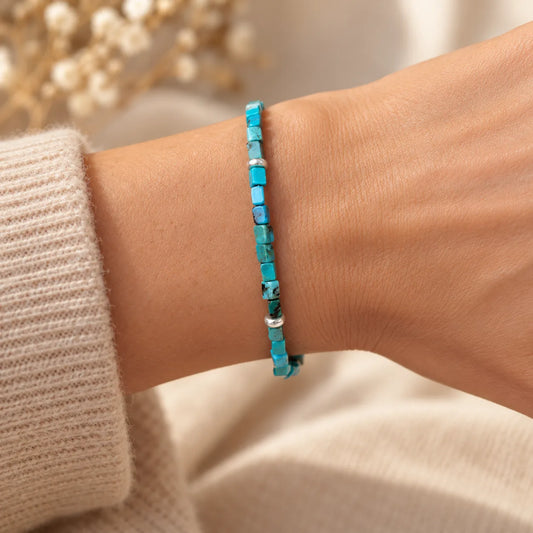
A large focal stone, a carefully cut cube, a shaped pendant, a strand of many stone chips, or several matched stones all create different cost structures. Some pieces require more sorting, cutting, drilling, matching, or careful setting than others.
That does not mean one form is always better. It means buyers should compare the product as a finished object, not only the word “turquoise.”
Silverwork, Construction, and Craftsmanship

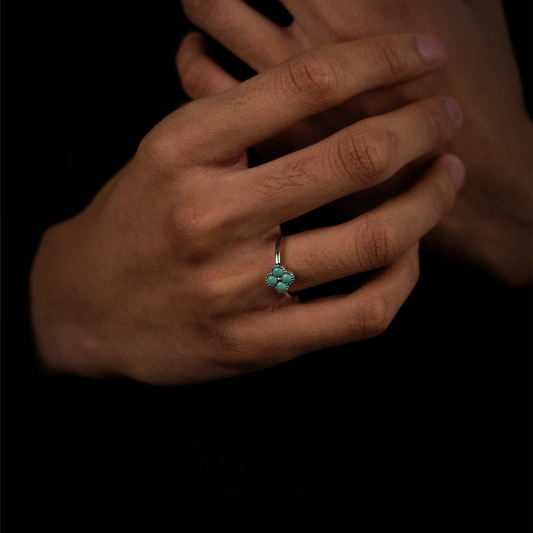
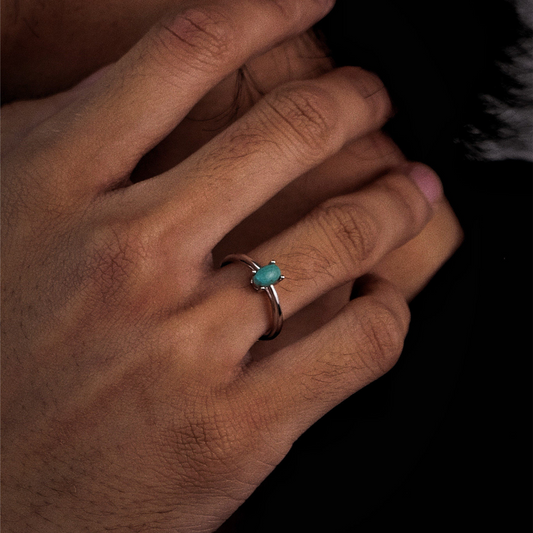
The material around the stone also matters. Sterling silver structure, bezels, hoops, spacers, chain, prongs, clasp, and construction detail all affect how the piece is made and how it may wear.
Good craftsmanship should be visible in close-up photos. You should be able to inspect how the stone sits, how the metal supports it, and whether the construction matches the price being asked.
Seller Presentation Is Part of Value
A careful seller gives buyers useful context through specific material wording, close-up photographs, clear metal information, and realistic product images.
That information makes the price easier to interpret because the buyer can connect the number to visible material, construction, and craftsmanship.
Product Details That Show Different Value Factors

Axiom Hoops
Square-cut turquoise and architectural sterling silver texture make the stone form, visible metalwork, and compact hoop construction easy to compare as value factors.

Horizon Ring
The Horizon Ring places a horizontal elongated turquoise stone inside a polished silver signet band. It provides an additional comparison of stone orientation and metal form.

Plateau Stream Necklace
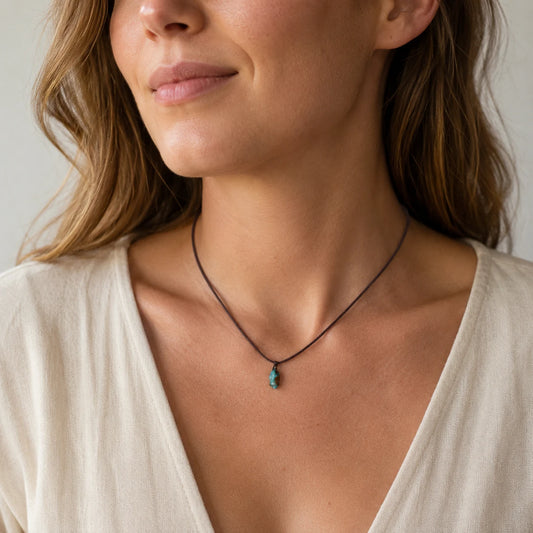
The continuous strand of irregular turquoise chips provides an additional comparison of multiple stones, visible variation, and strand construction.
A Calm Way to Compare Price
When comparing two pieces, focus on the factors that can explain the difference:
- The visible quality and character of the stone
- The amount, size, and form of material used
- The silverwork, construction, and craftsmanship
- The clarity of the product information
When these details are visible, the price can be understood as part of the finished piece rather than as an isolated number.
See These Value Factors in Axiom Hoops
Compare the square turquoise form, architectural sterling silver texture, visible metalwork, and compact hoop construction on the product page.
FAQ
Why do turquoise jewelry prices vary?
Prices vary because stone quality, visible character, usable material, stone form, silverwork, construction, craftsmanship, and product information differ between pieces.
How does stone form affect the price?
Different forms can require different amounts of sorting, cutting, drilling, matching, or setting. A focal stone, a geometric cut, and a strand of multiple stones do not have the same material or production requirements.
How does silverwork affect turquoise jewelry prices?
Silver structure, texture, settings, hoops, bezels, clasps, and other metal details add material and construction work to the finished piece.
How does craftsmanship affect value?
Craftsmanship affects how the stone is shaped, supported, assembled, and integrated with the metal. More involved construction can require additional time and precision.
Why can similar-looking turquoise pieces cost different amounts?
Pieces that appear similar from a distance may use different stone forms, amounts of material, silver structures, construction methods, or levels of visible detail.