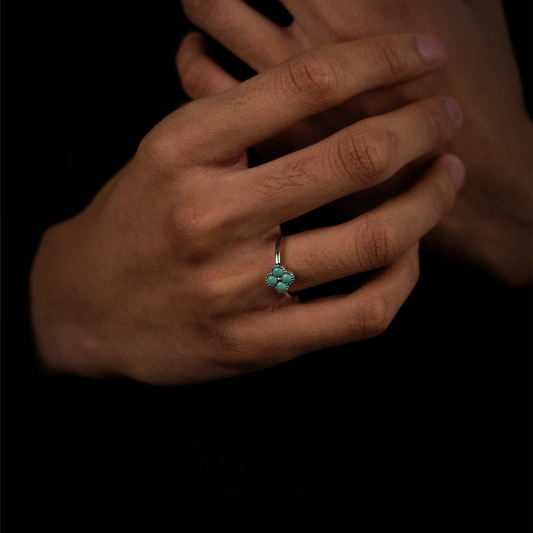
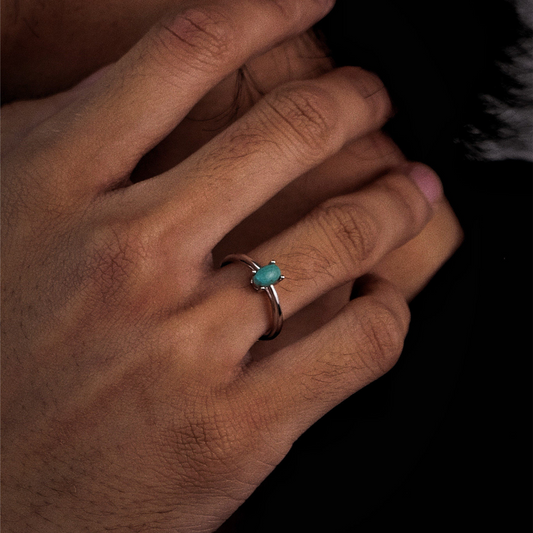
Start with the seller type, not the first pretty piece.
When you search for where to buy real turquoise jewelry, the hardest part is not finding options. It is knowing which kind of seller deserves a closer look.
You may see specialty turquoise brands, artisan jewelers, galleries, marketplaces, vintage sellers, social media shops, and broad jewelry retailers. Some are careful and transparent. Some may still leave you with vague photos, unclear treatment language, or a price that does not match the evidence.
The safer question is not simply "Where can I buy it?" The better question is: "Which type of seller gives me enough information to judge the piece before I pay?"
This page helps you choose where to look first.
This guide compares seller types without turning the article into a store ranking. If you already have a specific listing open, start with the parent buying checklist: what to look for when buying turquoise jewelry online.
This page sits one step earlier. It helps you decide where to look and which seller signals matter before you commit to a listing.
Start by Choosing the Kind of Seller, Not the First Pretty Piece
A turquoise piece can look convincing in a photo and still leave you with unanswered buying questions.
That is why seller type matters.
Different sellers tend to give different kinds of information. A specialist may explain stone material and care more clearly. A marketplace seller may have variety, but the quality of disclosure can vary sharply from shop to shop. A vintage seller may offer unusual pieces, but treatment history and origin may be harder to verify. A broad jewelry retailer may have smooth checkout and return systems, while the stone details may be less specific.
None of these categories is automatically good or bad. The point is to know what each one usually makes easier, and what each one may require you to double-check.
Decide what matters most for this purchase:
- clear material disclosure;
- close-up stone photos;
- visible metal and setting details;
- return access before checkout;
- care expectations for the jewelry;
- a seller who can answer one specific question calmly.
That list gives you a filter before the product photos start doing all the persuading.
Specialty Turquoise Brands Can Be Easier to Evaluate

Specialty turquoise jewelry brands are often the easiest place to begin.
Their product pages tend to focus on the stone itself, not only the finished look.
A good specialist should make the piece easier to inspect. Look for close-up images, clear stone and metal descriptions, care notes, and product pages that do not hide behind vague language.
The seller does not need to claim perfect certainty about everything. In fact, a careful seller may be more credible when they state what is known and avoid overclaiming what is not documented.
What to check:
- whether the product page shows stone close-ups;
- whether metal, setting, and care information are stated plainly;
- whether treatment information is disclosed when known;
- whether the return policy is easy to find;
- whether the brand avoids exaggerated healing or protection promises.
Specialist does not mean automatically trustworthy. It means the seller should have fewer excuses for vague material information.
Artist and Small-Studio Sellers Need Clear Material Details
Small studios can be a good source for visible handwork and unusual silhouettes.
Small studios and independent makers can be a good source for turquoise jewelry with visible handwork, unusual silhouettes, and a more personal design point of view. They may also be where you find pieces that feel less mass-produced.
The tradeoff is that the level of product documentation may vary. Some independent sellers explain every material choice carefully. Others may rely on style photography and a short description. When the piece is handmade or one of a kind, it becomes even more important to know what the seller can state clearly.
Look for details that help you inspect the piece, not just admire it. A useful listing should show the front, side, back, clasp, chain, cord, band, or setting when those details matter.
For a small-studio piece, ask:
"Can you tell me what is known about the turquoise material and whether there are close-up photos of the stone and setting?"
A clear answer supports trust. A vague answer does not necessarily prove a problem, but it tells you not to rush.
Marketplaces Offer Variety, but You Have to Vet Each Listing

On a marketplace, the platform name is not enough.
Marketplaces can be useful because they show many styles, price points, sellers, and vintage or handmade options in one place. They can also be the easiest place to lose track of evidence.
You are not really buying from "the marketplace" in a material-trust sense. You are buying from a specific seller with a specific listing. That means every listing needs its own check.
Be especially careful with copy-pasted descriptions, overly polished claims, repeated product photos, unclear return rules, or listings that use "turquoise" as a color or style word rather than a material description.
Useful marketplace checks include:
- seller history and consistency across listings;
- close-up photos of the actual piece;
- clear material and metal wording;
- return policy and delivery expectations;
- whether the price matches the amount of evidence shown.
Marketplaces are not automatically risky. They simply move more of the inspection responsibility onto you.
Vintage and Resale Sources Require More Patience
Older pieces can be distinctive, but documentation is often the hard part.
Vintage and resale turquoise jewelry can be appealing because older pieces may have distinctive settings, patina, scale, or design details that are harder to find in new production.
The challenge is documentation. A seller may not know the treatment history, stone origin, original maker, or past care conditions. Some listings are honest about that uncertainty. Others may turn uncertainty into romance.
For vintage or resale, look for careful photography and modest claims. You want the listing to show construction, wear, stone surface, back view, clasp, marks if present, and any areas of damage or repair.
If a seller claims a specific origin, age, tribal identity, or untreated material, that claim should be supported rather than assumed.
If the price is significant, be more conservative. A beautiful older piece can still be a good purchase, but it should not require you to believe a story that the listing cannot support.
When your main question becomes price or value, use the dedicated guide to why real turquoise can cost more instead of forcing that full judgment into this buying-source page.
Be Careful With Sellers Who Lead With Pressure Instead of Evidence
Some sellers make the buying decision feel urgent before they make the material clear.
Pressure can show up as scarcity language, dramatic origin stories, guaranteed spiritual claims, vague "authentic" wording, or a push to buy before you can inspect the piece. A trustworthy seller should not need to rush you away from basic questions.
This does not mean every emotional product description is dishonest. Jewelry can carry memory, identity, and personal meaning. Many people choose turquoise because the color, texture, or history feels meaningful to them. But meaning should not replace material clarity.
- uses "authentic" without supporting details;
- avoids treatment or material questions;
- shows only distant photos;
- claims guaranteed healing, protection, or power;
- makes price or rarity sound urgent without evidence;
- does not make return information easy to find.
If your concern becomes "does this stone look real?", route that question to the full authenticity guide on how to inspect whether turquoise looks real. If your concern is dyed howlite specifically, use the guide that helps you compare dyed howlite and turquoise.
A Simple Source Checklist Before You Choose Where to Buy
Before deciding where to buy real turquoise jewelry, keep the decision practical.
Use this checklist to prevent one beautiful photo from doing too much work.
Once you have chosen a seller type and found a listing that appears transparent, move back to the parent checklist before buying: what to look for when buying turquoise jewelry online. That guide helps you inspect the actual listing before you pay.

FAQ
Where is the safest place to buy real turquoise jewelry online?
The safest place is not defined by one store type. It is a seller that gives clear photos, plain material disclosure, realistic pricing, accessible policies, and direct answers to material questions.
Are marketplaces a bad place to buy turquoise jewelry?
No. Marketplaces can offer useful variety, but each seller and listing needs to be checked separately. Do not treat the platform itself as proof of material transparency.
Should I only buy from turquoise specialists?
Not always, but specialists should be able to explain the material more clearly. If a specialist seller gives vague photos or avoids treatment questions, that is a reason to slow down.
What should I ask a seller before buying turquoise jewelry?
Ask what is known about the turquoise material and treatment, and whether close-up photos of the stone and setting are available. One clear question is often more useful than a long interrogation.
Should I choose a product page or read a buying guide first?
If you already know what to inspect, a product page can be the next step. If you are unsure how to judge the listing, read the parent buying checklist before checkout.
Buy From the Seller Who Lets You Slow Down
The best place to buy real turquoise jewelry is not always the loudest listing, the lowest price, or the most dramatic product story.
It is the source that lets you slow down. It shows the piece clearly. It explains material details plainly. It makes policies easy to find. It answers specific questions without pressure. It gives you enough evidence to decide whether the jewelry deserves a closer look.
If you want to browse after doing those checks, start with pieces where the material details are easy to inspect: browse turquoise jewelry with close-up material details.
For a specific product page example, review the Pilgrim’s Path Tibetan Turquoise Obsidian Grounding Bracelet and check whether the photos, material wording, stone details, and policy path are clear enough before checkout.
A good seller does not ask you to guess. A good seller makes the next step clearer.