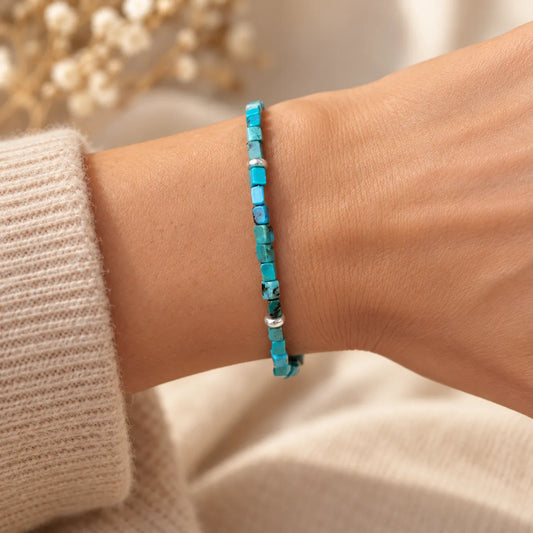
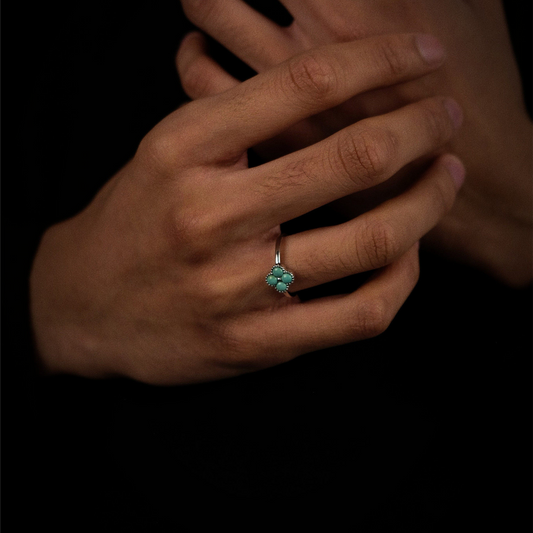
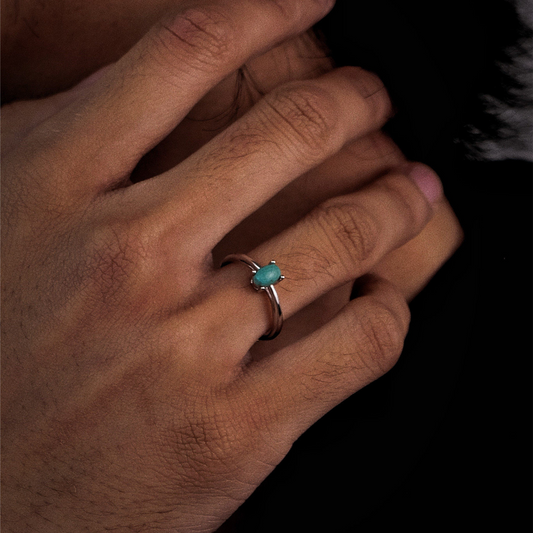
Yes. Turquoise is one of the traditional December birthstones. When choosing a turquoise birthstone bracelet, look beyond color alone: check the bracelet's size and construction, the metal and stone details, any treatment disclosure, how it will be worn, and the care it requires.
A bracelet can make a thoughtful December gift because it is easy to wear and notice during ordinary movement. The right choice depends on the recipient's style, routine, comfort, and the information the seller provides.
GIA lists turquoise alongside tanzanite and zircon as December birthstones. Its December birthstone guide also explains that turquoise can range from blue to green and may show matrix, while treatment and care requirements vary. Those points are more useful when buying a bracelet than relying on a single color or a photograph.
Is Turquoise a December Birthstone?
Yes. Turquoise is a traditional December birthstone and is commonly used in rings, necklaces, earrings, and bracelets. December also has other recognized birthstones, so the choice is ultimately about the stone, the design, and what the recipient will actually wear.
For a bracelet, the birthstone connection is only one part of the decision. A good gift should have a workable fit, clearly described materials, and care instructions that match the recipient's daily habits.
How to Choose a Turquoise Birthstone Bracelet
Start with the way the bracelet will be used. A slim design may suit someone who wears a watch or works at a desk. Beaded styles can feel more relaxed and tactile. A cuff or more structured design may suit someone who prefers a visible piece of jewelry.
Then review the product page carefully. Look for measurements, closure or adjustment details, the metal used, the seller's description of the turquoise, and any disclosure about stabilization, dye, resin, or other treatment. If a detail is not stated, do not treat the photograph as proof.
Size and Fit
Bracelet size is one of the easiest details to overlook when buying a December gift. Check whether the listing gives the inner circumference, bead strand length, cuff opening, or an adjustable range. These measurements are not interchangeable, so compare them with a bracelet the recipient already wears when possible.
- For an unknown wrist size: an adjustable or forgiving design is usually less risky than a fixed, close-fitting style.
- For everyday wear: allow enough room for comfortable movement without making the bracelet so loose that it catches on clothing.
- For a layered look: consider how the bracelet will sit next to a watch or other pieces.
Do not choose a size from a product photograph alone. Perspective, wrist angle, and styling can make a bracelet look larger or smaller than it is.

Materials, Stone Treatment, and Seller Disclosure
Turquoise can show differences in color, surface pattern, matrix, and shape. Those visible features may be part of the stone's character, but they do not by themselves prove that a stone is natural, untreated, or authentic.
Color, matrix, and visual uniformity are not reliable stand-alone tests. A very even-looking stone is not automatically imitation, and an irregular-looking stone is not automatically untreated or natural. If authenticity or treatment status matters to the purchase, look for a clear seller disclosure or ask the seller directly.
Also check the rest of the bracelet, not only the turquoise. The listing should identify the metal components when relevant and explain the bracelet's construction. If the page does not state whether the turquoise has been stabilized, dyed, or otherwise treated, record that as unknown rather than assuming the answer.

Bracelet Styles for Everyday Wear
There is no single best December birthstone bracelet. The useful question is whether the design suits the person receiving it.
- Beaded bracelet: a relaxed option that brings the color and shape of multiple stones into view.
- Adjustable bracelet: a practical gift when the recipient's wrist measurement is not known.
- Cuff-style bracelet: a more structured choice for someone who likes jewelry with a clear silhouette.
- Minimal bracelet: a quieter option that can sit beside a watch or other everyday pieces.
For styling, turquoise can sit with a winter sweater, white shirt, dark denim, tailored layers, or simple silver jewelry. One bracelet is often enough when the stone has a strong color or visible pattern.
How to Choose One as a December Gift
A December gift works best when the bracelet reflects the recipient's real habits rather than an imagined occasion. Think about whether they usually wear bracelets, prefer silver or warmer metal tones, work with their hands, or wear a watch every day.
- Choose for routine: select a comfortable design that can work with the clothes and accessories they already own.
- Choose for fit: use an adjustable style when the wrist measurement is uncertain.
- Choose with disclosure in mind: read the material and treatment information before treating a listing as a “natural” or “untreated” gift.
- Choose for care: make sure the recipient is comfortable keeping the bracelet away from harsh chemicals, heat, and rough storage.
Browse bracelet designs by fit, structure, stone appearance, and everyday wearing preference.
Care and Storage
Turquoise is a relatively porous gem material, and treatment can change how a piece should be cared for. GIA advises avoiding heat, acids, solvents, steam, and ultrasonic cleaning for turquoise. For routine care, follow the seller's instructions and use a soft, dry cloth unless the product information says otherwise.
- Remove the bracelet before swimming, showering, exercising, or using cleaning products.
- Keep it away from perfume, cosmetics, oils, and household chemicals.
- Store it separately in a soft pouch or lined compartment so the stones and metal do not rub against harder pieces.
- Read the seller's care guidance before using water or any cleaning solution.
For additional background, see GIA's turquoise overview and care guidance.
FAQ
Yes. Turquoise is one of the traditional December birthstones, alongside other recognized December options such as tanzanite and zircon.
Check the measurements, bracelet structure, metal details, turquoise description, treatment disclosure, care instructions, and return policy. Do not use color or matrix alone to decide whether a stone is natural or untreated.
No. Matrix is a visible feature that may occur in turquoise, but it is not a stand-alone proof of origin, treatment status, or authenticity.
It can be, depending on the construction, treatment, fit, and the care the wearer is willing to provide. Avoid rough activities, prolonged water exposure, harsh chemicals, and high heat.
An adjustable or more forgiving design is usually easier to gift than a fixed close-fitting style. Still check the listed range before ordering.
Choose a December Bracelet for Real Life
A turquoise birthstone bracelet can be a meaningful December gift when its fit, materials, treatment information, and care needs are clear.
Explore bracelet designs by size, structure, stone character, and everyday wearing preference.
Explore Turquoise Bracelets